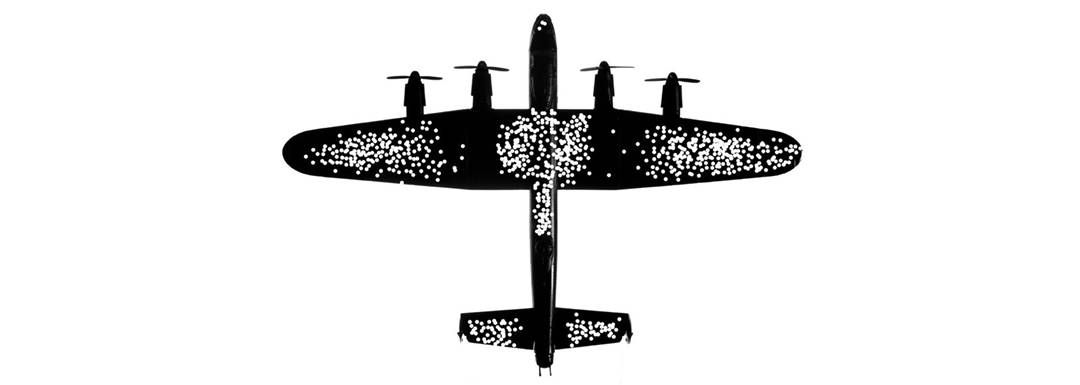
During World War II, allied forces examined returning fighter planes and found the most damaged areas were the wings, body, and tail, while the least damaged were the cockpits and engines. This led them to reinforce the most affected areas, since that was what was being hit the most, right? The flaw in this logic is that they were only examining the planes that came back. The ones that were hit in the cockpit or engine never made it home, so they didn’t see the damage sustained by those aircrafts.
In education there is a similar problem; we design spaces to accommodate students with mobility needs, we have text to voice readers for students who struggle to read, and fidget chairs for students who need to move in order to focus. But what about the students we aren’t seeing? How do we design a learning environment for students who don’t make it to class?
Choric absenteeism (defined as students who were absent for more than 10% of the school year) is on the rise across Canada, and although there is a lack of research on the national level, studies from various school districts report between 35% to 67.8% of students are chronically absent.1 Although between 5% and 28% of children will refuse to attend classes at some point in their lives,2 (a behaviour referred to as school refusal or school avoidance) certain factors can increase the risk of this behaviour becoming chronic. Learning disabilities and differences, neurodiversity, and social issues such as bullying all contribute to an increased risk of school refusal, but one of the most common underlying reasons stopping a child from attending is anxiety.3 So how do we fix this?
When working on getting a student suffering from school related anxiety back to class, it’s important to let them know that the first step is just showing up; not acing their tests, or completing every assignment, but simply coming to school. This can look like gradual return to school plans, reduced workload, or modified schedules that incorporate extra breaks. Other accommodations might be giving them spare blocks to work on homework with an educational assistant or learning resource teacher, or even just giving them time to use the school computers as some students may not have access to a computer at home. Once they start taking steps towards consistent attendance, any positive behaviour should be acknowledged and praised.4 Showing them that small wins are noticed and celebrated will help reinforce their behaviour and keep them on a path towards attendance.
It’s easy for these kids to slip through the cracks, and the less they show up, the harder it is for educators to reach them,5 but if we can make the classroom a safe and positive environment for students with anxiety, it becomes a space where they can feel seen, supported, and inspired. Once a student is able to make it into the classroom regularly, and develop the necessary skills for managing their anxiety, that’s when the learning can begin.
References:
- Carman, T., & Wesley, A. (March 27, 2024). Kids missing more school since pandemic, CBC analysis finds. CBC News.
- School Avoidance Alliance. (n.d.). School avoidance facts.
- Rachel Busman, PsyD, ABPP. (February 4, 2025). When kids refuse to go to school. Child Mind Institute.
- Hannah Louie, MSW, RSW, Psychotherapist. (n.d.). School Refusal: Practical Strategies to Support Kids to Overcome Anxiety and Get Back to Class. Acorn & Anchor Therapy Centre.
- Dr. Nick Ferguson. (n.d.). School Refusal: The Importance of Timely Intervention. Pandion Health.

Provide Feedback